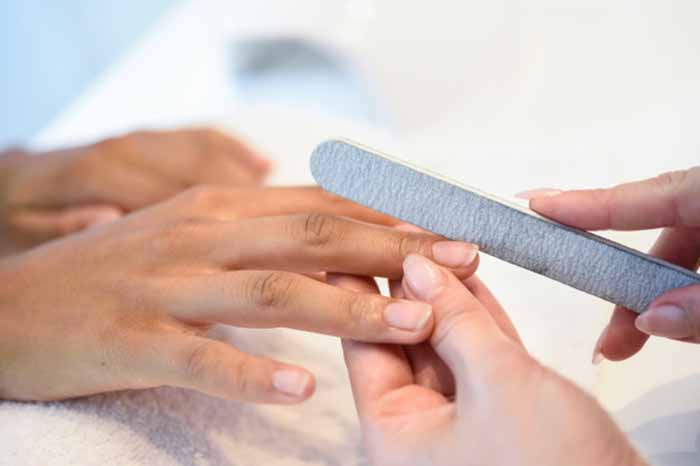
I remember the first time I filed my nails properly. I had always used a coarse file, sawing back and forth until my nails were the desired length. I wondered why my nails always peeled and split. Then a technician explained that my filing technique was the problem. I switched to a fine-grit file, filed in one direction, and within weeks, my nails stopped peeling.
Here is everything I have learned about nail filing: why it is essential, how to choose the right file, and how to file without damaging your nails.
Why Filing Is an Essential Part of Nail Care
Filing is not just about shaping your nails. It is a fundamental part of nail care that affects their strength, health, and appearance.
Prevents snags and tears. Sharp edges and rough spots catch on clothing and hair, leading to painful tears. Regular filing keeps edges smooth and prevents accidental damage.
Promotes even growth. Filing maintains a balanced shape, which can influence how the nail grows. An uneven nail can grow in a way that causes peeling, splitting, or ingrown nails.
Improves polish application. A smooth, well-shaped nail is the foundation of a flawless manicure. Polish adheres better and lasts longer when the nail surface is even and the edges are smooth.
Strengthens nails. Filing in the correct direction can actually help strengthen nails by removing weak, frayed edges.
Prevents ingrown nails. Proper filing of the edges can prevent them from curving into the skin, especially on toes.
Should You Clip or File Your Nails?
Both methods have their place, but they serve different purposes.
Clipping is best for shortening very long nails quickly. Nail clippers are designed to remove length in one clean cut. However, clipping can leave jagged edges that need to be smoothed with a nail file.
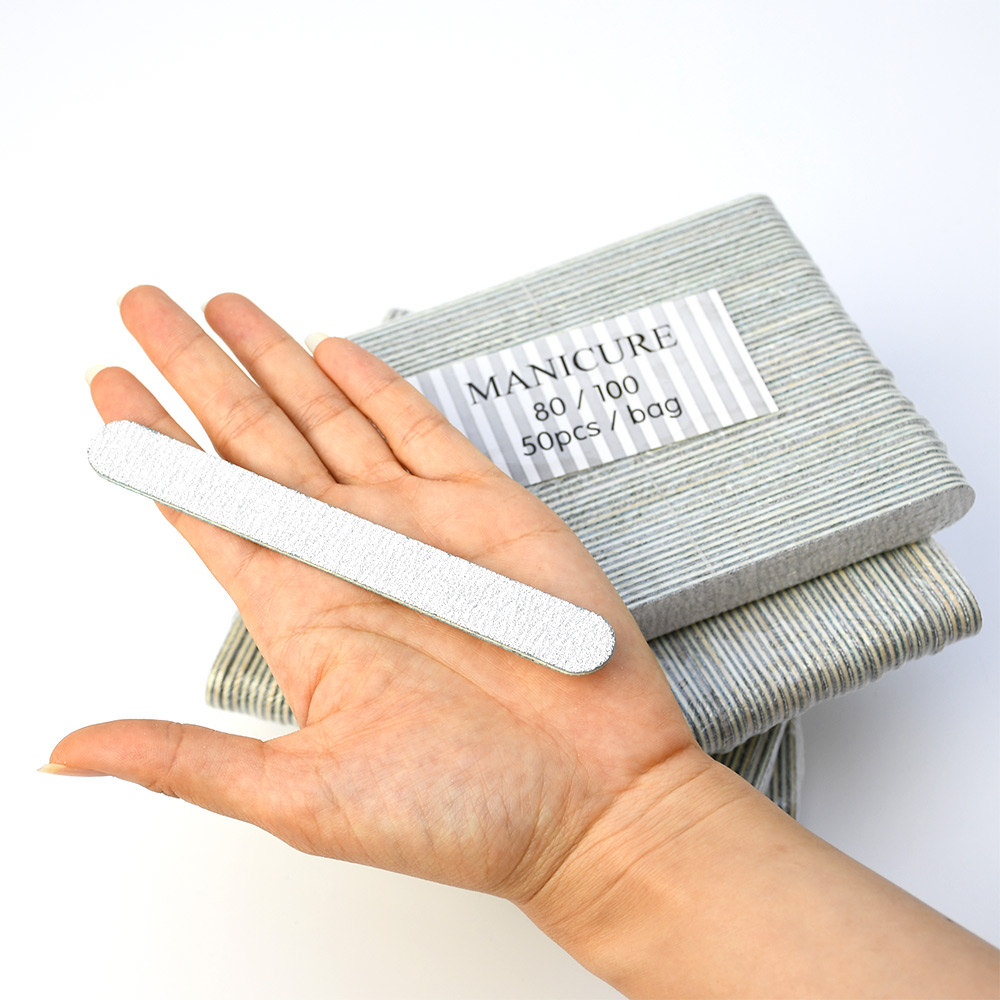
Filing is more precise. It allows you to shape the nail gradually and smooth the edges without creating stress on the nail plate. Filing is always the final step after clipping to ensure a smooth, even edge.
The best approach is to clip length when necessary, then use a file to shape and smooth. For regular maintenance, filing alone is often sufficient.
How to Choose the Right Grit?
The grit number indicates how coarse or fine the file is. Choosing the right grit for your nail type is essential for safe, effective filing.
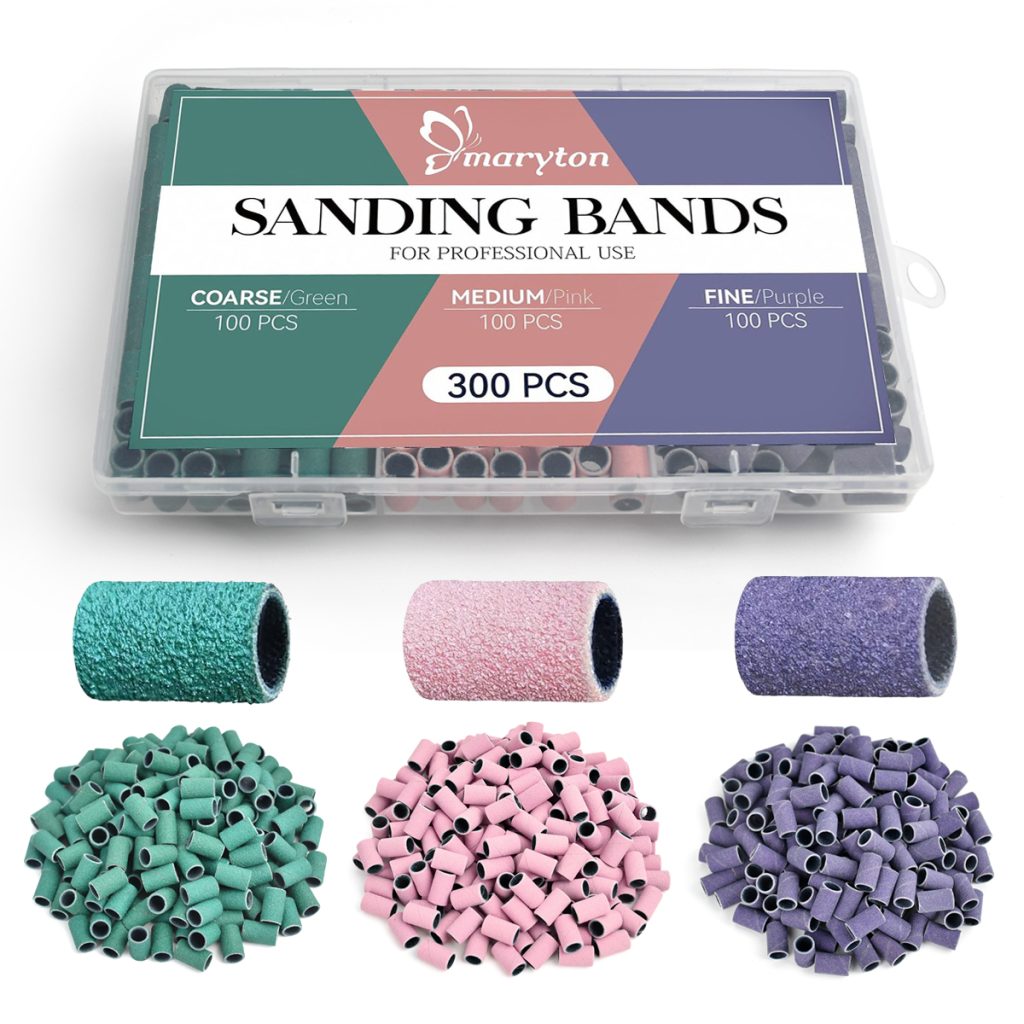
Coarse grit (80-100). For heavy-duty filing of acrylics, hard gels, or very thick nails. Never use on natural nails.
Medium grit (100-150). For shaping acrylics and gels. Can be used on natural nails with caution.
Fine grit (180-240). The most common grit for natural nails. Ideal for shaping, smoothing, and finishing. Gentle enough to use regularly without thinning the nail.
Extra fine grit (240+). For buffing and finishing. Used to smooth the nail surface and create a natural shine.
How to File Your Nails Without Damaging Them?
Always file dry nails. Filing wet nails is a common mistake. Wet nails are soft and flexible, making them more likely to tear or fray.
File in one direction. This is the most important rule. Place the file under the free edge of the nail and file from the outer edge toward the centre in one smooth stroke. Lift the file off the nail at the end of the stroke. Never saw back and forth. Sawing creates micro-tears that travel up the nail, leading to peeling and splitting.
Work from the side to the centre. Start at one corner of the nail and file in one direction toward the centre. Repeat on the other side. This creates a balanced shape.
Use light pressure. Pressing too hard can thin the nail plate and create heat, which can damage the nail. Gentle, even pressure is more effective.
Check symmetry regularly. Look at your nails from multiple angles. Both sides should be even and balanced.
Follow the natural shape. File to complement your natural nail bed, not against it.
Common Filing Mistakes
Sawing back and forth. This is the number one mistake. It creates micro-tears that lead to peeling and splitting. Always file in one direction.
Filing wet nails. Wet nails are soft and flexible, making them more likely to tear. Always file dry nails.
Using a coarse file on natural nails. Coarse files are for acrylics and gels. On natural nails, they create rough edges that are more prone to peeling. Use a fine-grit sanding band.
Filing too aggressively. Pressing too hard can thin the nail plate and create heat, which can damage the nail. Use gentle, even pressure.
Filing the corners too low. Filing the sidewalls too aggressively can weaken the nail structure and increase the risk of ingrown nails. Follow the natural curve of your nail bed.
Can You File Weak or Damaged Nails?
Yes, but with caution. If your nails are thin, peeling, or damaged, it is even more important to file correctly. Apply very gentle pressure. File less frequently—once a week instead of every few days. Avoid aggressive filing, which can thin the nail further. If your nails are severely damaged, consult a professional.
The Bottom Line
Filing is an essential part of nail care. It shapes the nail, smooths edges, and prevents tears and snags. The key to safe filing is choosing the right grit and using the correct technique: file dry nails in one direction, use light pressure, and avoid sawing back and forth. With consistent, gentle care, your nails will stay strong, healthy, and beautifully shaped.
Read also: The Art of Double Gradient Nails: A Complete Guide to Mesmerizing Color Transitions

One thought on “The Art and Science of Nail Filing: Why It’s Essential and How to Do It Right”